


How to Label a Wheeled Dry Powder Fire Extinguisher Correctly?
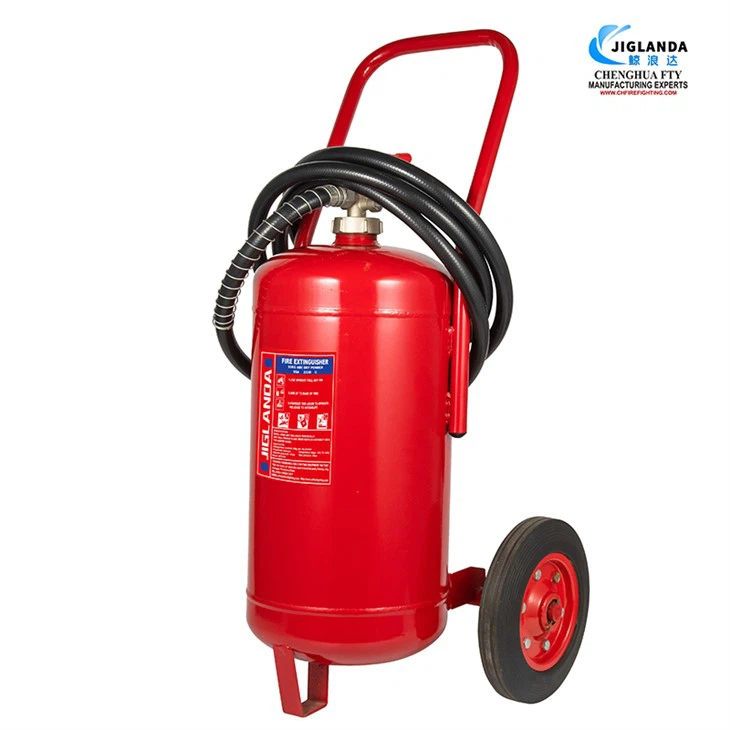
As a supplier of wheeled dry powder fire extinguishers, I understand the critical importance of proper labeling. Correct labeling not only ensures compliance with safety regulations but also provides essential information to users, enabling them to use the fire extinguisher effectively in case of an emergency. In this blog post, I will share some key guidelines on how to label a wheeled dry powder fire extinguisher correctly.

Understanding the Purpose of Labeling
Before delving into the details of labeling, it's important to understand why it's so crucial. Labels on a wheeled dry powder fire extinguisher serve several purposes:
- Identification: They clearly identify the type of fire extinguisher, its contents, and its intended use. This helps users quickly select the right extinguisher for a particular type of fire.
- Safety Information: Labels provide important safety instructions, such as how to operate the extinguisher, any precautions to take, and the expiration date. This information is vital for ensuring the safe and effective use of the extinguisher.
- Compliance: Proper labeling is required by law in many jurisdictions. Failure to label a fire extinguisher correctly can result in fines and other penalties.
Key Elements of a Wheeled Dry Powder Fire Extinguisher Label
A well-designed label for a wheeled dry powder fire extinguisher should include the following key elements:
- Product Name and Type: Clearly state the name of the fire extinguisher and its type, such as "Wheeled Dry Powder Fire Extinguisher." This helps users easily identify the product.
- Capacity: Indicate the capacity of the fire extinguisher in kilograms or pounds. For example, you can mention "20KG Wheeled Dry Powder Fire Extinguisher" 20KG Wheeled Dry Powder Fire Extinguisher, "50KG Wheeled Dry Powder Fire Extinguisher" 50KG Wheeled Dry Powder Fire Extinguisher, or "100KG Wheeled Dry Powder Fire Extinguisher" 100KG Wheeled Dry Powder Fire Extinguisher.
- Fire Class Rating: Display the fire class rating of the extinguisher, such as A, B, C, or D. This indicates the types of fires the extinguisher is designed to extinguish. For example, a dry powder fire extinguisher with a rating of ABC can be used on fires involving ordinary combustibles (Class A), flammable liquids (Class B), and energized electrical equipment (Class C).
- Operating Instructions: Provide clear and concise instructions on how to operate the fire extinguisher. This may include steps such as pulling the pin, aiming at the base of the fire, squeezing the handle, and sweeping from side to side. Use simple language and include diagrams or illustrations if possible.
- Safety Precautions: List any safety precautions that users should take when using the fire extinguisher. This may include wearing protective gear, keeping a safe distance from the fire, and avoiding inhalation of the dry powder.
- Maintenance and Inspection Information: Include information on how to maintain and inspect the fire extinguisher. This may include instructions on checking the pressure gauge, ensuring the hose and nozzle are not blocked, and having the extinguisher serviced regularly.
- Manufacturer Information: Provide the name and contact information of the manufacturer or supplier. This allows users to easily reach out for more information or support.
- Expiration Date: Clearly state the expiration date of the fire extinguisher. This is important because the effectiveness of the dry powder can decrease over time, and an expired extinguisher may not work properly in an emergency.
Choosing the Right Labeling Materials
When labeling a wheeled dry powder fire extinguisher, it's important to choose the right materials to ensure the label is durable and long-lasting. Here are some factors to consider:
- Adhesive Strength: The label should have a strong adhesive that can withstand exposure to various environmental conditions, such as heat, humidity, and chemicals.
- Weather Resistance: The label should be resistant to fading, peeling, and cracking when exposed to sunlight, rain, and other weather elements.
- Visibility: The label should be easy to read and understand, even in low-light conditions. Use high-contrast colors and large fonts to ensure visibility.
- Compliance: The labeling materials should comply with relevant safety standards and regulations.
Applying the Label Correctly
Once you have designed and printed the label, it's important to apply it correctly to the wheeled dry powder fire extinguisher. Here are some tips:
- Clean the Surface: Before applying the label, clean the surface of the fire extinguisher thoroughly to remove any dirt, grease, or debris. This will ensure a good adhesion between the label and the surface.
- Align the Label: Carefully align the label on the fire extinguisher to ensure it is straight and centered. Use a level or a straight edge to help you with the alignment.
- Apply the Label: Starting from one end, slowly apply the label to the fire extinguisher, smoothing out any bubbles or wrinkles as you go. Use a squeegee or a credit card to press the label firmly onto the surface.
- Trim the Excess: Once the label is applied, trim any excess material using a sharp knife or scissors. Be careful not to damage the label or the fire extinguisher.
Conclusion
Proper labeling of a wheeled dry powder fire extinguisher is essential for ensuring its safe and effective use. By including all the key elements, choosing the right labeling materials, and applying the label correctly, you can provide users with the information they need to use the extinguisher safely and effectively in case of an emergency.
If you are interested in purchasing high-quality wheeled dry powder fire extinguishers or have any questions about labeling or other aspects of fire safety, please feel free to contact us. We are here to help you make the right choice for your fire protection needs.
References
- National Fire Protection Association (NFPA). NFPA 10: Standard for Portable Fire Extinguishers.
- Occupational Safety and Health Administration (OSHA). 29 CFR 1910.157: Portable Fire Extinguishers.


