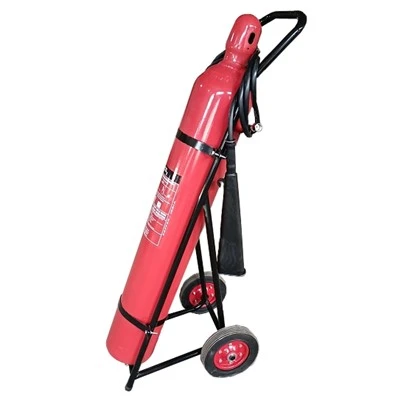
In the context of globalized trade, warehousing, logistics and production links face various fire risks. Choosing the right fire-fighting equipment is the key to ensuring the safe operation of enterprises. Foam fire extinguishers and water fire extinguishers are two common types of fire-fighting equipment. Due to their different application scenarios and fire-fighting principles, they have become important options in the fire-fighting configuration of many enterprises.
Foam fire extinguishers spray foam to cover the surface of the burning object, isolate oxygen and cool the fire source. They are particularly suitable for extinguishing liquid fires such as oils and solvents (Class B fires). Its foam layer can effectively prevent the volatilization and re-ignition of flammable liquids, so it is widely used in chemical, warehousing and logistics companies. In addition, some foam fire extinguishers also have a certain effect on Class A solid fires (such as wood and paper), but it should be noted that their fire-fighting efficiency may be lower than that of water fire extinguishers.
In contrast, water fire extinguishers rely on the cooling effect of water to quickly reduce the temperature of the burning object, thereby extinguishing the flame. It has a significant effect on Class A solid fires, especially suitable for places where paper, textiles or wood are piled up. However, water fire extinguishers are not suitable for live equipment (Class E fires) or oil fires, otherwise they may cause electric shock or spread of fire. Therefore, the fire risk type of the enterprise must be strictly matched during configuration.
From a maintenance perspective, both types of fire extinguishers need to regularly check the pressure gauge, nozzle and agent expiration date. Foam fire extinguishers need to avoid high temperature environments that cause the agent to deteriorate, while water fire extinguishers need to prevent freezing in winter. If foreign trade companies operate in multiple climate regions, they need to choose fire extinguisher models that adapt to temperature differences or equip them with antifreeze devices.
In recent years, international fire protection standards (such as NFPA and EN) have increasingly stringent performance requirements for fire extinguishers. When exporting products or setting up overseas warehouses, foreign trade companies need to ensure that fire extinguishing equipment complies with local regulations to avoid affecting trade processes due to compliance issues. Some countries also require fire extinguishers to be accompanied by certification marks or regular inspection reports, and companies should confirm details with suppliers in advance.
Reasonable configuration of foam and water fire extinguishers can not only improve the company's fire safety level, but also is an important measure to fulfill social responsibilities and ensure employee safety. Foreign trade enterprises should build a scientific and efficient fire prevention system based on actual needs and the advice of professional fire consultants.