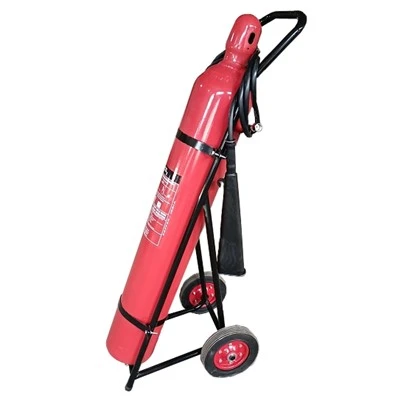
In modern fire fighting equipment, carbon dioxide fire extinguishers are widely used in various places due to their high efficiency and environmental protection. Whether it is an industrial plant, commercial building or home environment, it is very important to master the correct use and maintenance skills of carbon dioxide fire extinguishers. This article will introduce the operation steps, applicable scenarios and daily maintenance suggestions of carbon dioxide fire extinguishers in detail to help users improve their fire response capabilities.
1. Scope of application of carbon dioxide fire extinguishers
Carbon dioxide fire extinguishers are mainly suitable for extinguishing initial fires caused by electrical equipment, precision instruments, oils and flammable liquids. The fire extinguishing principle is to release high-pressure liquid carbon dioxide to quickly reduce the oxygen concentration in the fire scene and absorb heat, thereby achieving the fire extinguishing effect. Since carbon dioxide does not leave residue after extinguishing the fire, it is particularly suitable for protecting valuable equipment from secondary damage.
2. Steps for using carbon dioxide fire extinguishers
Check the status of the fire extinguisher: Before use, confirm that the pressure gauge pointer is in the green area to ensure that the fire extinguisher is in normal working condition. If the pointer points to the red area, it means that the pressure is insufficient and needs to be replaced or refilled in time.
Pull out the safety pin: Hold the handle of the fire extinguisher and pull out the safety pin with force to release the lock state of the fire extinguisher.
Aim at the root of the fire source: Stand up, about 1.5 to 2 meters away from the fire source, and aim the nozzle at the bottom of the flame, which is the most effective position for fire extinguishing.
Press the handle to spray: Press the handle evenly and forcefully to spray carbon dioxide gas. Pay attention to keep stable, sweep left and right to cover the fire source until the flame is completely extinguished.
Evacuate the scene: Leave quickly after extinguishing the fire, because high carbon dioxide concentration may cause temporary hypoxia, so ensure good ventilation.
3. Daily maintenance and precautions
Regular inspection: Check once a month whether the appearance of the fire extinguisher is intact, whether the pressure gauge is normal, and whether the nozzle is blocked.
Avoid high temperature exposure: The storage environment should be away from heat sources, and the temperature should not exceed 50℃ to prevent abnormal pressure increase.
Professional filling: After use or when the pressure is found to be insufficient, it should be filled and tested by a professional organization, and do not operate it by yourself.
Training and drills: Regularly organize employees to receive fire extinguisher training to ensure rapid response in emergency situations.
Mastering the correct use of carbon dioxide fire extinguishers can not only effectively improve fire response efficiency, but also minimize property losses. Whether it is a business or a family, fire safety should be regarded as a top priority to ensure a safe environment.